This blog was written by Jon Rice, Senior Marketing & Creative Services Strategist of Second Harvest.
Meet ALICE: The Working Households You Might Not See
As a supporter of Second Harvest, you already understand something important: hunger and insufficient nutrition exist in our community, even though we live in one of the wealthiest nations in the world.
But there’s a group of neighbors you may not fully see. And once you do, it changes how you understand the mission of Second Harvest and the rising demand at food banks nationwide.
Her name is ALICE.
ALICE stands for Asset Limited, Income Constrained, Employed. It’s not a person, but it represents a growing number of households who are working hard, often at more than one job, and still can’t afford the basics.
They are not officially thought of as “poor” by national economic indicators. But they are not financially stable, either. They are living in between.
What does it mean to be an ALICE household?
ALICE households earn more than the federal poverty level, which means they often don’t qualify for many forms of government assistance. But their income still falls short of what it actually costs to live in their community. In fact, over 100,000 food insecure East Tennesseans live above the SNAP threshold, meaning they make “too much” to qualify for the program formerly known as food stamps.
That gap forces incredibly difficult choices. A family may have to decide between paying the rent or fixing a vehicle, covering childcare or buying groceries, filling a prescription or keeping the lights on. These aren’t rare situations. They are everyday trade-offs for working families who are doing everything “right” and still falling behind.
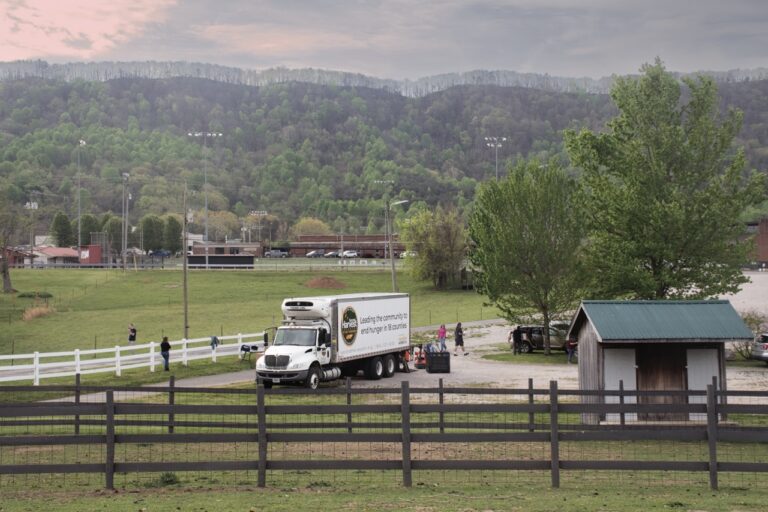
The Second Harvest Mobile Pantry team, along with volunteers, prepare for a drive-thru food distribution in Grainger County on April 13, 2026. Some of the neighbors served by this program fall into the ALICE representation.
Why you may not recognize ALICE
ALICE matters now more than ever because these households are often hidden in plain sight. They could be the cashier you see every week, or the home health aide providing care for a loved one, or even the daycare staff helping young children succeed. They are the essential workers that keep our communities strong.
And yet many are just one unexpected expense, like a medical bill, a reduced work schedule, a rent increase — away from crisis.
What ALICE means for food security
When most people think about hunger, they imagine a lack of access to food. But for ALICE households, hunger is rarely that simple.
More than access, it’s also about the math.
When income doesn’t stretch far enough to cover all basic needs, something has to give. And too often, that “something” is food. A parent may skip meals so their child can eat. A senior may stretch groceries to last longer than they should. A family may rely on cheaper, less nutritious options just to get by.
Food insecurity is often the result of a much larger financial squeeze.
Why more working families are turning to food banks
Across the country we are seeing more households like ALICE turn to food banks for support. Not because they aren’t working. Not because they aren’t trying. But because the cost of living has outpaced what many jobs pay.
In Tennessee, even workers earning close to the median renter wage still fall short of what it takes to afford a modest two-bedroom apartment, according to the National Low Income Housing Coalition. That gap continues to widen across East Tennessee, putting stable housing further out of reach for working families.
At the same time, grocery prices have risen more than 25% in recent years, according to the U.S. Bureau of Labor Statistics. And rising food costs force more families to make difficult trade-offs just to keep meals on the table.
Childcare, transportation, and health care have all increased significantly, while wages for many workers have simply not kept up. That means more families are living closer to the edge, and more are reaching out for help when that edge gives way.
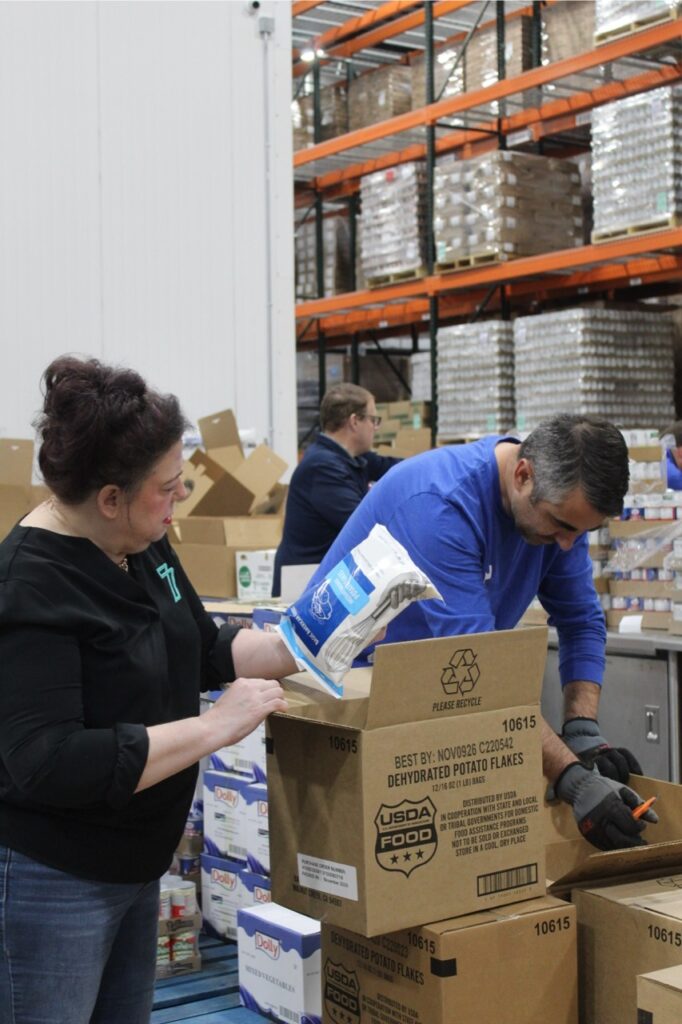
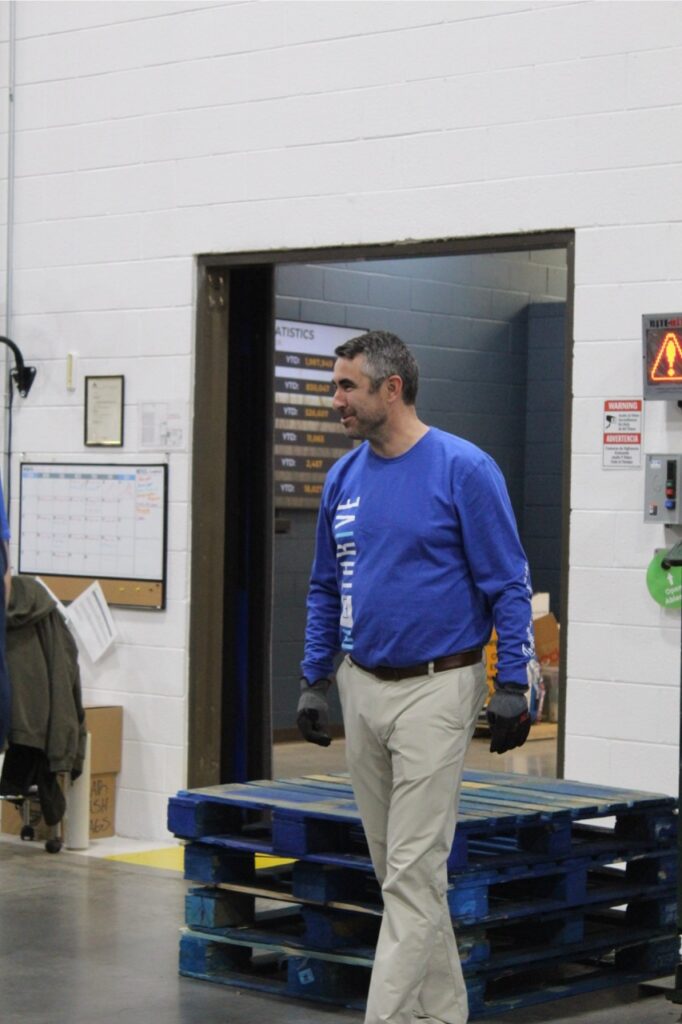
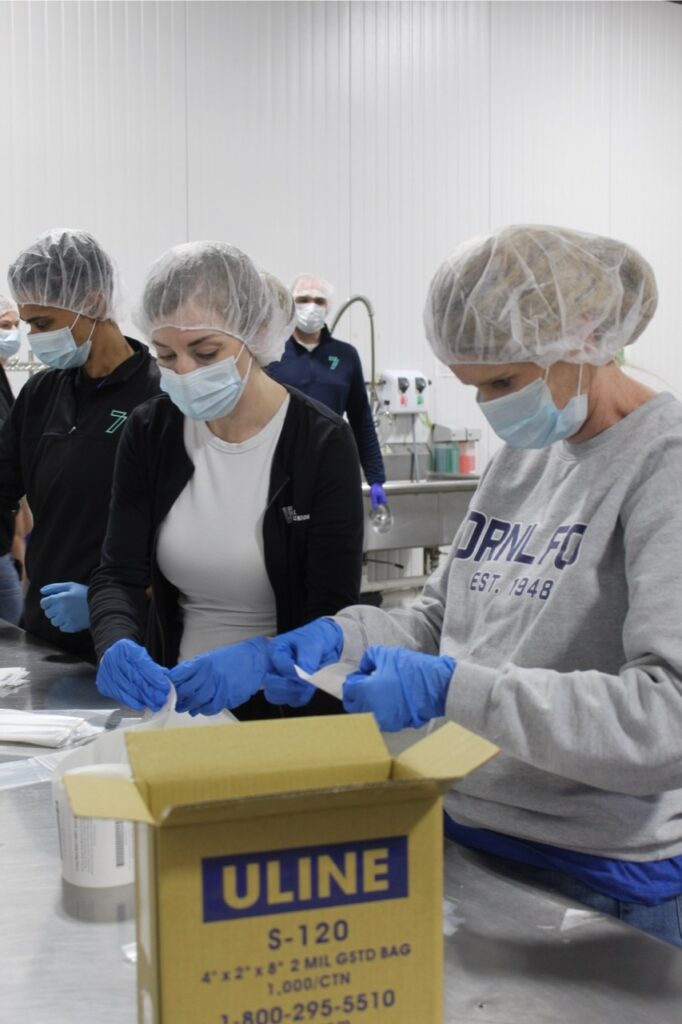
Employees from ORNL Federal Credit Union volunteer in our warehouse to help families like ALICE.
How your support makes an impact
As a community stakeholder in our food bank’s mission, you’re doing more than providing meals. You’re helping stabilize households that are under constant financial pressure. You’re helping a parent make it through the week without skipping meals. You’re helping a senior avoid choosing between breakfast and medication. You’re helping a working family stay afloat during a difficult stretch.
For ALICE households, that support can make the difference between getting by and falling behind.
Seeing the full picture
Understanding ALICE helps us all see how pervasive hunger is in our community.
It reminds us that food insecurity is not always visible, and that many of our neighbors are closer to hardship than we might think.
It also challenges us to think bigger. Not just about food, but about the conditions that create food insecurity in the first place.
Moving forward, together
Second Harvest will always be ready to provide food to those who need it. But we also believe in helping our community better understand why the need exists — and why it continues to grow. ALICE is part of that story.
And thanks to you, it’s a story that includes compassion, care, and support for our neighbors who need it most.
For more information about the ALICE Movement, please visit United for ALICE, a project of United Way of Northern New Jersey.
To learn more about Second Harvest, read more of our blogs, or explore how you can contribute to food security in East Tennessee, please visit the following links:
Learn More | Blogs | Give